By DoctorCert Clinical Team
Arthritis Sick Note: UK Workplace Rules and Adjustments
A comprehensive clinical and legal guide on obtaining a sick note for arthritis in the UK, understanding your rights under the Equality Act, and requesting adjustments.

Arthritis is a highly prevalent medical condition in the United Kingdom, affecting millions of individuals across various age groups. Clinically characterized by joint inflammation, pain, stiffness, and structural damage, it is a leading cause of chronic pain and physical disability in the UK workforce. Sickness documentation plays a major role in justifying absences, ensuring compliance with health and safety laws, and determining eligibility for sick pay. For employees suffering from moderate to severe arthritis, managing their symptoms while maintaining their professional duties can present significant challenges. There are moments when taking temporary time off work or modifying duties is clinically necessary to prevent long-term joint degradation and manage flare-ups.
This detailed clinical and statutory guide outlines the process of obtaining a sick note for arthritis in the UK, understanding the legal protections in place for employees, and negotiating effective workplace adjustments. If you require professional medical certification or wish to discuss your symptoms with a registered doctor, you can read more about our private medical certificate service or submit an online consultation request directly on our secure portal. Our clinical team evaluates submissions promptly, ensuring you receive the compliant medical evidence you need to secure your rights and focus on joint rehabilitation.
The Clinical Classification of Arthritis Types
From a clinical perspective, arthritis is not a single disease but an umbrella term representing over one hundred different musculoskeletal conditions. The two most common forms are osteoarthritis and rheumatoid arthritis, which differ fundamentally in their pathophysiology but share overlapping symptomatic impacts. Osteoarthritis, the most common type in the UK, is a degenerative joint disease characterized by the gradual wear and tear of articular cartilage. As the protective cartilage wears down, bones begin to rub directly against one another, leading to chronic mechanical pain, bone spurs, and reduced joint flexibility, commonly affecting the knees, hips, spine, and hands.
Rheumatoid arthritis is a chronic inflammatory autoimmune disorder where the body's immune system mistakenly attacks the synovium, the membrane that lines and lubricates the joints. This autoimmune response leads to severe swelling, joint deformity, systemic inflammation, and profound fatigue. Other notable types of arthritis include gout, psoriatic arthritis, and ankylosing spondylitis, each presenting unique patterns of joint involvement and systemic symptoms. Regardless of the specific diagnosis, arthritis symptoms fluctuate over time, with periods of remission punctuated by intense flare-ups that severely impair motor coordination, physical endurance, and overall functional capacity.
Managing arthritis requires a multimodal clinical strategy. This often includes physical therapy to maintain joint mobility, non-steroidal anti-inflammatory drugs (NSAIDs) to manage pain, disease-modifying antirheumatic drugs (DMARDs) to slow autoimmune progression, and lifestyle modifications to reduce joint stress. When an employee experiences a severe flare-up or is recovering from joint surgery (such as an arthroplasty), a period of complete rest or task modification is essential. Continuing to load inflamed joints can cause irreversible mechanical damage, making timely sickness certification a critical part of the long-term clinical management plan.
Sickness Absence Rules: Self-Certification and Fit Notes
In the UK, the rules governing sickness absence are standardized and apply directly to employees experiencing arthritis symptoms. Under the statutory framework, if you are absent from work due to illness for seven consecutive days or fewer, you do not need to provide a medical certificate or fit note. Instead, you can self-certify your absence. This is done by notifying your employer in writing or by completing a self-certification form, such as the HMRC SC2 form, when you return to work. Your employer is legally obliged to accept self-certification as valid evidence for this initial period and cannot demand a medical note from your GP.
If your arthritis symptoms prevent you from working for more than seven consecutive calendar days, you must provide your employer with a fit note, officially designated as a Statement of Fitness for Work. This seven-day limit includes non-working days such as weekends, public holidays, and scheduled rest days. To prevent any gap in your sickness documentation, you should arrange a clinical assessment around the eighth day of your absence. If you experience difficulty securing a GP appointment, you can use our online sick note consultation to submit your medical history and request a clinical review by a GMC-registered doctor.
A fit note can be backdated by a clinician if there is clear medical evidence that you were unfit for work prior to the date of your consultation. For arthritis, this evidence can include joint swelling, recent changes in medication, records of specialist appointments, or details of a known chronic diagnosis. The clinician will review your history to ensure that the start date of the fit note aligns with the end of your self-certification period, maintaining continuous proof of your incapacity to work and protecting your statutory rights.
Obtaining a Fit Note for Arthritis
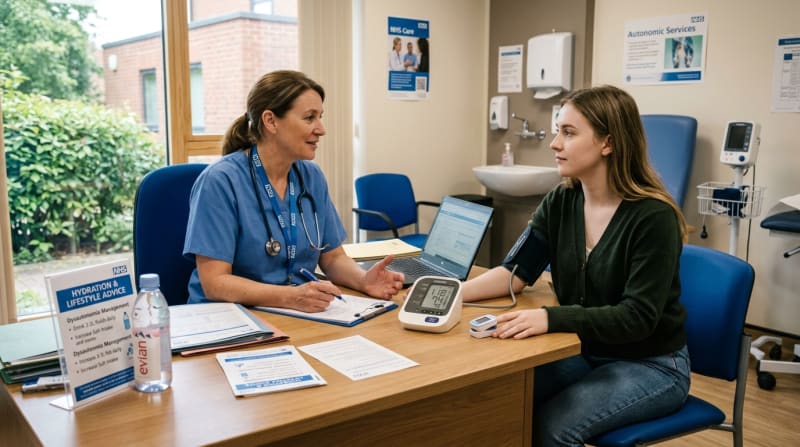
Securing a fit note for arthritis requires a professional clinical evaluation by a registered healthcare professional. In the UK, fit notes can be issued by doctors, nurses, occupational therapists, pharmacists, and physiotherapists. During your assessment, the clinician will discuss your symptoms, the specific physical demands of your job, and the impact of the joint pain on your daily activities. If your job involves heavy lifting, prolonged standing, repetitive typing, or long commutes, you must explain these factors to the clinician during the consultation.
To support your request for an arthritis sick note, you should present any relevant medical documentation, such as letters from a rheumatologist, physical therapy reports, or a list of your current prescribed medications. The clinician will evaluate this information to determine your functional capacity. If they find you completely unable to work, they will mark the note as "not fit for work" and specify an appropriate duration. For chronic arthritis, the duration is typically set for several weeks or months to allow treatments to take effect and to monitor side effects.
The fit note is an advisory document rather than a legally binding order. However, employers must take its recommendations seriously to satisfy their health and safety duties. If a clinician certifies that you are unfit for work, your employer cannot legally compel you to work, as doing so would breach their duty of care. For a detailed guide on requesting documentation digitally, you can consult our article on how to get a sick note online to review the required steps and evidence.
Workplace Adjustments and the Equality Act 2010
Under the Equality Act 2010, arthritis is often legally recognized as a disability if it has a substantial and long-term adverse effect on your ability to carry out normal day-to-day activities. The term long-term means the condition has lasted, or is expected to last, for at least twelve months. If your arthritis meets this statutory threshold, your employer has a legal duty to make reasonable adjustments to help you overcome the disadvantages caused by your condition at work. These adjustments are designed to keep you in employment and prevent further injury.
Reasonable adjustments for arthritis are highly customized and can include physical modifications, ergonomic equipment, and flexible scheduling. Ergonomic adjustments include providing specialized chairs, vertical mice, split keyboards, document holders, and voice-to-text software to reduce manual strain. Flexible adjustments can include modifying your start and finish times to avoid cold morning stiffness, allowing regular breaks to stretch, and permitting work from home to eliminate painful commutes. Temporary task modifications may also involve reassigning physically demanding duties to colleagues.
If your fit note indicates that you "may be fit for work" with adjustments, you must discuss these recommendations with your employer. If your employer is unable or unwilling to implement the recommended adjustments, the fit note must be treated as "not fit for work," and you should remain on sick leave. To learn how to manage a return to work after an extended absence, read our guide on a phased return to work for structured return patterns.
Statutory Sick Pay and Financial Support
For sickness from 6 April 2026, eligible employees can receive SSP from their first full qualifying day, meaning a day they would normally work. There is no lower earnings limit or three-day waiting period. In 2026/27, the ordinary weekly amount is the lower of £123.25 or 80% of average weekly earnings, for up to 28 weeks. Other eligibility rules and transitional protection can apply. See GOV.UK SSP amounts and our current SSP calculation guide.
Many employers offer occupational or company sick pay schemes, which provide full or partial salary during sickness absence. You should check your employment contract or staff handbook to understand your company's policy. Some companies have strict rules requiring a fit note even for absences shorter than seven days if you want to claim company sick pay. To understand how waiting days affect your pay, read our guide on SSP waiting days for detailed examples.
If your sick leave extends beyond 28 weeks and your SSP entitlement is exhausted, or if you do not qualify for SSP in the first place, your employer must provide you with form SSP1. This form allows you to apply for state benefits, such as Employment and Support Allowance (ESA) or Universal Credit, through the Department for Work and Pensions (DWP). Securing continuous medical evidence through fit notes is vital during this transition, as the DWP will require ongoing proof of your incapacity to work to process your claims.
How DoctorCert Can Help with Your Sickness Documentation
Whether you are navigating the early stages of an arthritis flare-up or managing a long-term recovery, having professional, timely medical evidence is essential. At DoctorCert UK, we offer a secure online clinical review service designed to help you secure the compliant documentation you need to protect your employment rights and access sick pay without the delay of booking an in-person GP appointment.
Our service supports your sickness absence management with these key features:
- GMC-Registered Clinical Reviews: Every medical certificate we issue is reviewed, assessed, and signed by a GMC-registered doctor, ensuring full legal validity for SSP and company sick pay.
- Err-Free Digital Process: Submit your clinical questionnaire and upload photos of your symptoms or diagnostic reports directly from your phone at any time.
- Instant Employer Verification: Our certificates include a unique reference ID, allowing your employer to verify the document's authenticity directly on our secure portal, removing admin delays.
If you need a private medical certificate to support your arthritis recovery or wish to discuss adjustments with your employer, you can start your application on our online booking page or view our transparent pricing on our pricing overview. We are committed to providing the professional medical evidence you need, helping you focus on recovery and secure your workplace support.
Frequently Asked Questions
Can I get a sick note for arthritis online?
Yes. Registered healthcare professionals can assess your condition and issue a fit note via remote consultations, phone calls, or secure online clinical reviews. You must provide clear details of your symptoms and job requirements.
Is arthritis considered a disability in the UK?
Yes, under the Equality Act 2010, arthritis is classified as a disability if it has a substantial and long-term adverse effect on your ability to carry out normal day-to-day activities, lasting or expected to last for twelve months or more.
What adjustments should my employer make for my arthritis?
Common adjustments include ergonomic equipment such as vertical mice, specialized chairs, flexible hours to avoid morning stiffness, regular breaks, and the option to work from home to avoid commuting pain.
How long can a doctor sign you off work for arthritis?
The duration of an arthritis fit note depends on the severity of your symptoms and the nature of your work. Initially, a clinician may sign you off for one to four weeks to allow for rest and treatment, followed by a review.
What should I do if my arthritis makes it impossible to continue working?
If you cannot continue working, you should discuss capability and early retirement options with your employer and occupational health. You may also be eligible for long-term state benefits such as Employment and Support Allowance (ESA) and Personal Independence Payment (PIP).
Sources and guidance
Guidance checked on 9 October 2026. GOV.UK SSP amounts; GOV.UK sickness evidence.