By DoctorCert Clinical Team
Sick Note for Sciatica: UK Workplace Law & Recovery Guide
Suffering from severe sciatica or nerve pain in the UK? Learn how to get a fit note, understand your sick pay rights, and explore essential workplace adjustments.
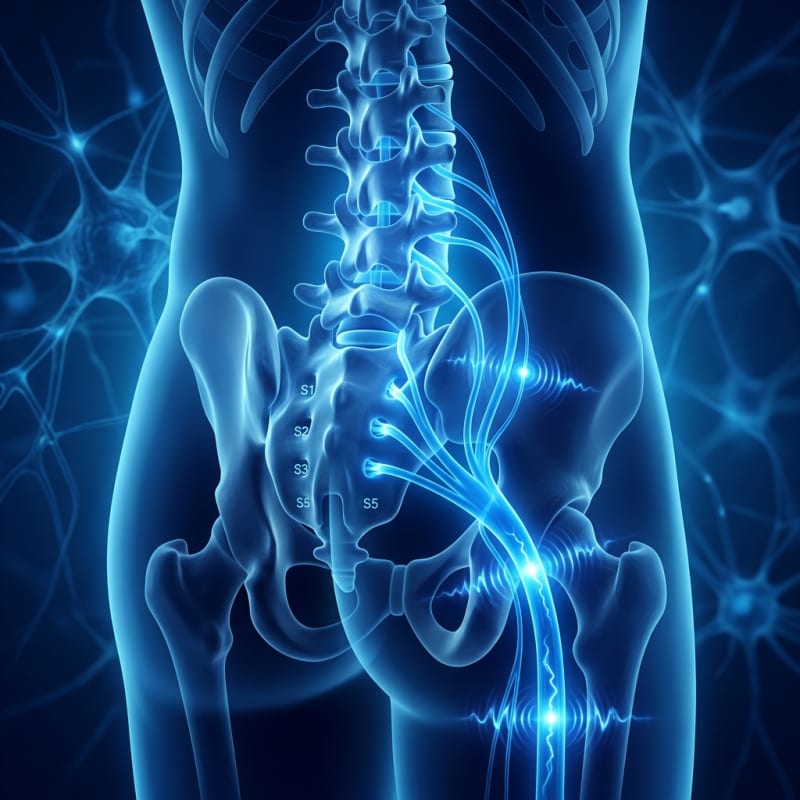
Sickness absence in the United Kingdom is frequently caused by musculoskeletal conditions, with sciatica standing out as a common cause of sudden, severe physical limitations. Sufferers of sciatica often experience a sharp, burning, or shooting pain that radiates from the lower back down the leg, accompanied by numbness, tingling, and muscle weakness. For many individuals, the initial response is to try to push through the pain, hoping it will improve. However, continuing to perform physical work or sit for long periods with acute nerve compression can worsen your condition, delay your recovery, and lead to chronic nerve damage. It is essential to recognize when a physical boundary has been reached and when taking a period of dedicated rest is the most responsible action for your health.
Under UK employment law, individuals who are unable to work due to physical conditions have clear rights to take sick leave and receive statutory or contractual pay. To access these rights, providing legally compliant medical evidence is essential. A doctor's fit note serves as this authoritative evidence. In this clinical and workplace guide, we will explore the statutory rules, explain the sickness timeline, detail the medical assessment process, and explain how to design a safe return to work. We will also look at how private medical evidence can be secured safely and efficiently.
Sickness certification is highly structured in the UK. For the first seven calendar days of sickness, including weekends and public holidays, you are not required to provide a doctor's fit note. Instead, you can self certify using your employer's internal procedures or the government's SC2 form. If your absence extends beyond seven days, you must obtain a fit note from a registered healthcare professional to cover the remainder of your absence. We have a detailed guide on do I need a sick note for work that outlines this timeline and explains self certification rules. Sufferers of sciatica may also find our guide on sick note for back pain UK rules helpful for understanding broader musculoskeletal absence guidelines.
Understanding the Pathophysiology and Symptoms of Sciatica
To understand why sciatica is so debilitating, we must look at the biology of the sciatic nerve. Sciatica is not a disease in itself, but a clinical term used to describe symptoms caused by compression or irritation of the sciatic nerve, which is the largest and longest nerve in the human body. The nerve originates in the lower back, runs through the buttocks, and extends down the back of each leg. The most common cause of compression is a herniated or bulging lumbar disc that presses against a nerve root. Other causes include spinal stenosis, spinal degeneration, or muscle spasms in the pelvis.
The sciatic nerve consists of individual nerve roots that branch out from the lower spine (lumbar segments four and five, and sacral segments one, two, and three) and merge to form a single thick nerve cord. Any structural issue in the lumbar region, such as a bulging disc, bone spur, or narrowed spinal canal, can put direct mechanical pressure on these nerve roots. In addition to mechanical pressure, the herniated disc material releases chemical inflammatory mediators, such as tumor necrosis factor alpha, which irritate the nerve and cause severe pain. Differentiating sciatica from localized mechanical lower back pain is critical, as the treatment pathways and recovery timelines differ significantly.
The resulting symptoms are highly distinct and can cause severe distress. Sufferers typically experience a sharp, burning, or electric shock-like pain that starts in the lower back or buttock and shoots down the thigh, calf, and sometimes the foot. The pain can be exacerbated by sitting, coughing, or sneezing. It is often accompanied by numbness, a pins and needles sensation, or muscle weakness in the affected leg. The physical impact can be profound, making it difficult to stand, walk, or bend, and making sitting for more than a few minutes extremely painful. The acute phase typically lasts for four to six weeks, but chronic sciatica can persist for months.
In a workplace context, sciatica is a major challenge due to the physical demands of many roles. Jobs that involve heavy lifting, prolonged sitting, driving, or repetitive bending are particularly problematic, as these activities can worsen nerve compression and delay recovery. Managing the condition in the workplace requires careful cooperation between the employee, employer, and healthcare provider.
The Sickness Timeline and Statutory Sick Pay for Sciatica
If you contract sciatica, understanding the UK sickness rules is essential. For the first seven calendar days of your absence, you do not need to provide a doctor's fit note. You can self certify by completing your employer's sickness reporting forms or the government's SC2 form. This period of self certification allows you to rest and recover at home without the stress of trying to see a doctor.
After more than seven calendar days of sickness, an employer can ask for a fit note or agree another appropriate form of evidence. Seek care for persistent or severe symptoms rather than treating paperwork as a substitute. SSP now starts from the first full qualifying day for eligible employees, without three waiting days. See GOV.UK SSP amounts and our current SSP calculation guide.
For employees who work in physically demanding roles, returning to work too early can cause further damage to the spinal nerves and lead to long term disability. Sickness absence policies should support employees who take the necessary time to recover. If your sciatica is severe and chronic, it may be classified as a disability under the Equality Act 2010, requiring your employer to make reasonable adjustments.
Clinical Assessment and Diagnosing Sciatica
When you consult a doctor to obtain a fit note for sciatica, they will perform a clinical assessment to evaluate the severity of your symptoms and determine how they impact your ability to work safely. The assessment typically involves a physical examination and neurological tests to confirm nerve root involvement.
The assessment typically covers several areas:
- Neurological Testing: The doctor will perform tests such as the straight leg raise test, which stretches the sciatic nerve and can reproduce the radiating pain, and check your reflexes, sensation, and muscle strength in the legs.
- Red Flag Screen: They will screen for rare but serious complications, such as Cauda Equina Syndrome, which is characterized by bilateral sciatica, saddle anesthesia, bladder or bowel dysfunction, and requires immediate emergency hospital admission.
- Workplace Demands: They will consider the physical requirements of your job, such as heavy lifting, driving, or prolonged sitting, and evaluate whether these activities can be modified.
- Clinical Management: They will provide advice on pain relief, gentle activity, and referral for physiotherapy or specialist imaging if symptoms persist.
If the doctor determines that you are unfit for work, they will issue a fit note stating "you are not fit for work" for a specified period, ensuring you have the necessary time to rest and begin rehabilitation.
In a clinical setting, doctors evaluate symptoms to differentiate sciatica from other forms of leg or back pain. The straight leg raise test, also known as Lasegue's sign, is a highly specific physical examination maneuver. During this test, the patient lies flat on their back, and the clinician lifts the affected leg keeping the knee straight. If this movement reproduces the sharp, radiating pain down the leg at an angle between thirty and seventy degrees, it indicates a high probability of sciatic nerve root compression. Other diagnostic elements include assessing dermatomal sensation, motor function of the foot muscles, and checking the Achilles tendon reflex.
Part of the clinical work involves identifying the underlying cause of the nerve irritation. The clinician will advise on avoiding bed rest, as remaining active with gentle movement, such as walking, is key to recovery. They may recommend painkillers like NSAIDs or neuropathic medications (such as Gabapentin or Amitriptyline) to manage the nerve pain, and suggest exercises to strengthen the core muscles and support the lower back.
Designing a Safe Return to Work with Sciatica Adjustments
Returning to work after sciatica requires careful management and adjustments to ensure you do not aggravate the nerve. A gradual return, combined with ergonomic support, is crucial for preventing a relapse.
Key considerations for a safe return to work include:
- Ergonomic Assessment: Ensuring your workstation is set up correctly, with a supportive chair that maintains the natural curve of the spine, and a sit-stand desk if possible to allow regular changes in posture.
- Avoiding Sitting or Standing: Avoiding prolonged periods in a single position. You should take regular micro-breaks to stand, stretch, or walk for a few minutes every hour to relieve pressure on the nerve.
- Modified Duties: Avoiding heavy lifting, bending, twisting, or operating heavy machinery that transmits vibration to the spine.
- Phased Return: Starting with shorter hours or working from home to manage pain levels and avoid the strain of commuting, which often involves prolonged sitting.
Workplace risk assessments are crucial for employees returning after an episode of sciatica. Employers have a duty under UK health and safety regulations to ensure that work activities do not worsen an existing physical condition. This includes reviewing manual handling requirements and training, assessing seat support in vehicles for employees who drive as part of their duties, and modifying tasks to prevent cumulative strain on the lower spine. Sufferers should also be encouraged to perform light stretching exercises and change their posture frequently during the working day.
If you struggle to secure a prompt GP appointment to discuss these adjustments, you can explore the fast, secure, and professional private options detailed on our online sick note consultation page to ensure you receive a balanced, timely assessment.
How DoctorCert Supports Musculoskeletal Recovery
When you are suffering from the severe, debilitating nerve pain of sciatica, traveling to a GP surgery, sitting in a waiting room, and waiting for an appointment can be excruciating. Remote clinical support is the safest and most convenient option.
DoctorCert provides a professional, rapid, and fully compliant online alternative to secure the medical evidence you need:
- GMC-Registered UK Doctors: All medical certificates we issue are reviewed and signed by licensed doctors registered with the General Medical Council in the UK, guaranteeing complete legal validity.
- Rapid Asynchronous Review: You complete a secure, structured online clinical questionnaire and upload supporting evidence (such as physiotherapist letters, scan reports, or prescription details), allowing our GPs to perform a safe remote review.
- Detailed Fit-for-Work Advice: Our doctors can outline clear, professional adjustment recommendations on your certificate, helping your employer support your recovery in the workplace.
- Secure Verification Portal: Each certificate includes a unique verification code, allowing HR managers to instantly verify its authenticity online, guaranteeing total trust.
To check our upfront fee options, visit our pricing page to proceed with complete peace of mind. Our platform utilizes advanced bank-grade encryption to protect your sensitive personal health information throughout the process, ensuring full compliance with UK data protection legislation.
Frequently Asked Questions
Can I get a sick note for sciatica online?
Yes. GMC registered doctors can conduct remote clinical assessments based on your symptoms, medical history, and supporting evidence (such as physiotherapy letters) to issue a valid fit note online, avoiding the need for an in-person GP visit.
How long can you be signed off work for sciatica?
For a standard case of acute sciatica, a doctor will typically sign you off for two to four weeks. If your symptoms are severe, chronic, or require specialist intervention, the recovery period can be longer, and you may be signed off for six to eight weeks, with extensions if your symptoms persist.
Can my employer refuse a sciatica fit note?
A private medical certificate is clinical evidence following an assessment; it is not automatically the same document as a statutory Med3 fit note. An employer may agree to accept appropriate alternative evidence. Confirm the required document before paying, especially for SSP. A GMC registration number or verification code confirms the issuer or authenticity, not guaranteed acceptance or entitlement. See GOV.UK evidence guidance and employer acceptance of private evidence.
What adjustments should my employer make for sciatica?
Common adjustments include providing a supportive ergonomic chair, a sit-stand desk, avoiding heavy lifting or twisting, allowing regular breaks to move and stretch, and offering a phased return to work with shorter hours.
Need a medical certificate?
If you need signed medical evidence for work, study, or administrative purposes, you can request a private medical certificate online from a GMC-registered doctor, usually issued within 2 hours during business hours. See the one-off pricing and how private medical certificates work before you start.
Sources and guidance
Guidance checked on 9 October 2026. GOV.UK SSP amounts; GOV.UK sickness evidence.


